Health & Prevention
The relationship between tobacco use and human health represents one of the most significant public health challenges worldwide. Whether you’re concerned about preventing tobacco initiation, understanding the risks of smoking, or exploring modern alternatives like e-cigarettes, making informed decisions requires a comprehensive understanding of how tobacco affects your body and what effective prevention truly means.
This resource explores the critical intersection of health and prevention in the context of tobacco and nicotine products. From the immediate physiological effects of smoking to long-term prevention strategies, from harm reduction perspectives to the tangible benefits of tobacco-free living, you’ll gain the knowledge needed to navigate these complex topics with confidence and clarity.
Understanding the Health Impact of Tobacco Use
Before diving into prevention strategies, it’s essential to understand exactly what we’re preventing against. The health consequences of tobacco use extend far beyond the commonly known lung damage, affecting virtually every organ system in the body.
Short-Term Physical Effects
Even a single cigarette triggers immediate physiological changes. Within minutes of inhalation, your heart rate increases by 10 to 20 beats per minute, blood pressure rises, and blood vessels constrict, reducing oxygen flow to extremities. Carbon monoxide from tobacco smoke binds to hemoglobin more readily than oxygen, effectively starving your cells of the oxygen they need to function optimally. Many smokers notice decreased physical endurance, persistent coughing, and reduced sense of taste and smell within weeks of regular use.
Long-Term Health Consequences
The cumulative damage from sustained tobacco use manifests in serious chronic conditions. Lung cancer remains the most well-known risk, but tobacco use is also a primary cause of chronic obstructive pulmonary disease (COPD), emphysema, and chronic bronchitis. The cardiovascular system suffers significantly: smokers face double to quadruple the risk of coronary heart disease compared to non-smokers. Stroke risk increases substantially, as tobacco damages blood vessel walls and promotes dangerous blood clot formation.
Beyond the Lungs: Systemic Effects
Tobacco’s reach extends to unexpected areas of health. The immune system becomes compromised, making infections more frequent and severe. Bone density decreases, elevating fracture risk. Reproductive health suffers in both men and women, with fertility issues and pregnancy complications becoming more common. Skin ages prematurely due to reduced blood flow and collagen breakdown. Even oral health deteriorates, with increased risks of gum disease, tooth loss, and oral cancers.
Why Prevention Matters: Breaking the Cycle
Prevention isn’t simply about avoiding a bad habit—it’s about preserving the full potential of human health and avoiding a dependency that becomes increasingly difficult to break. Understanding why prevention deserves attention helps frame the importance of the strategies that follow.
The statistics reveal a sobering reality: most adult smokers began during adolescence, often before fully understanding the addictive nature of nicotine. Research consistently shows that nearly 90% of adult smokers started before age 18. This early initiation matters because younger brains are more susceptible to nicotine addiction, and habits formed during these developmental years become deeply ingrained. The earlier someone starts smoking, the harder quitting becomes and the greater their cumulative exposure to harmful substances.
Prevention also carries profound economic implications. The financial burden of tobacco use extends beyond the cost of cigarettes themselves to include healthcare expenses, lost productivity, and premature mortality. By preventing tobacco initiation, individuals avoid both the direct costs and the healthcare expenditures associated with treating tobacco-related diseases that often require decades of medical management.
Harm Reduction and Modern Alternatives
The landscape of tobacco and nicotine products has evolved significantly, introducing new considerations for health and prevention discussions. Understanding these alternatives requires examining both their potential benefits and limitations objectively.
The E-Cigarette Debate
Electronic cigarettes have emerged as a controversial topic in public health circles. These devices heat a liquid containing nicotine, flavorings, and other chemicals to create an inhalable aerosol—without the combustion that produces the thousands of toxic compounds found in cigarette smoke. Proponents argue that e-cigarettes offer a harm reduction pathway for smokers unable or unwilling to quit nicotine entirely, potentially reducing exposure to carcinogens and toxic substances by significant margins.
However, e-cigarettes are not without concerns. The long-term health effects remain incompletely understood due to their relatively recent introduction. Youth uptake has raised alarms, with flavors and marketing tactics potentially creating a new generation of nicotine users. The key distinction often emphasized by health experts is that while e-cigarettes may present reduced harm compared to combustible cigarettes, they are not harmless, and non-smokers—especially youth—should not initiate use.
Comparing Risk Profiles
When examining nicotine delivery systems through a harm reduction lens, combustion emerges as the critical factor. Traditional cigarettes produce tar and release thousands of chemicals through burning tobacco, including at least 70 known carcinogens. E-cigarettes, by avoiding combustion, eliminate most of these substances, though they introduce different concerns related to heating elements, chemical flavorings, and aerosol particles.
This comparison doesn’t make e-cigarettes “safe”—rather, it positions them on a continuum of risk. The optimal choice for health remains complete avoidance of all tobacco and nicotine products. For those already smoking, however, switching to less harmful alternatives may represent a pragmatic step toward eventual cessation, provided it leads to complete transition rather than dual use.
Building Effective Prevention Strategies
Effective prevention requires a multi-faceted approach that addresses individual knowledge, social influences, and environmental factors. No single intervention proves universally successful, but combining multiple strategies creates robust protection against tobacco initiation.
Education and Awareness
Knowledge forms the foundation of prevention, but effective education extends beyond simple “smoking is bad” messages. Modern prevention education emphasizes:
- Understanding addiction mechanisms: Explaining how nicotine hijacks the brain’s reward system helps people appreciate why “just trying once” carries risk
- Industry tactics awareness: Recognizing marketing strategies that target vulnerable populations builds critical thinking skills
- Skill-building approaches: Teaching refusal skills and decision-making frameworks empowers individuals to resist peer pressure
- Positive messaging: Focusing on benefits of tobacco-free living rather than fear-based tactics tends to resonate more effectively with younger audiences
Environmental and Social Factors
Individual choices don’t occur in a vacuum—they’re shaped by surrounding environments. Creating tobacco-resistant environments involves implementing smoke-free policies in public spaces, restricting tobacco advertising and promotion, increasing prices through taxation, and ensuring tobacco products aren’t easily accessible to minors. Social norms play an equally powerful role; as smoking becomes less socially acceptable and less visible in daily life, initiation rates tend to decline.
Supporting Youth Prevention
Young people face unique vulnerabilities and require tailored prevention approaches. Peer influence peaks during adolescence, making peer-led education programs particularly effective. Family dynamics matter enormously—youth with smoking parents face significantly elevated risk, making family-based interventions valuable. School environments provide consistent touchpoints for prevention messaging, while extracurricular activities and sports participation correlate with lower smoking rates, possibly by providing alternative sources of identity and belonging.
The Path to Better Health: Benefits of Tobacco-Free Living
Understanding what you’re working toward makes prevention more compelling. The human body possesses remarkable recuperative abilities, and health improvements begin surprisingly quickly after tobacco cessation or through never initiating use.
The recovery timeline offers encouraging milestones. Within 20 minutes of quitting, heart rate and blood pressure begin normalizing. After 12 hours, carbon monoxide levels in blood return to normal. Within 2-12 weeks, circulation improves and lung function increases. At the one-year mark, excess heart disease risk drops to half that of a continuing smoker. After 5-15 years, stroke risk reduces to that of a non-smoker. At 10 years, lung cancer death rate becomes approximately half that of continuing smokers.
Beyond these measurable health metrics, quality of life improvements prove equally significant. Physical fitness and endurance increase as lung capacity improves. Senses of taste and smell sharpen, making food more enjoyable. Skin appearance improves as circulation restores. Chronic coughing and shortness of breath diminish. Energy levels rise. Financial resources previously spent on tobacco become available for other purposes. Perhaps most importantly, freedom from nicotine addiction eliminates the constant planning and anxiety around accessing the next cigarette.
Health and prevention in the context of tobacco use ultimately centers on empowerment—providing the knowledge and tools needed to make informed choices that protect wellbeing. Whether you’re focused on preventing initiation, understanding modern alternatives through a harm reduction lens, or supporting others in their tobacco-free journey, the evidence consistently points toward the profound benefits of avoiding tobacco use or transitioning away from it. The path forward begins with understanding, continues through intentional choices, and leads toward optimal health and freedom from addiction.

Silent Ischemia: Why Your Heart Suffers Even Without Chest Pain?
You probably believe that if you were having heart problems, you’d feel it—typically as chest pain. This is a dangerous misconception. Smoking systematically sabotages your body’s internal alarm systems, creating a state of physiological deception. This article reveals the invisible,…
Read more
Spirometry Results: What Does FEV1 Mean for Your Recovery?
Receiving your spirometry results can feel confusing and overwhelming, especially the FEV1 number. This score is not a final verdict but a starting point. This guide demystifies your test results, translating abstract percentages into what they mean for your daily…
Read more
The Regrowth of Bronchial Cilia: Why You Get Sick After Quitting?
It feels like a cruel joke: you quit smoking to get healthier, only to be hit with a cough and cold. Contrary to feeling like a failure, these “quitter’s flu” symptoms are not a sign of sickness but of recovery….
Read more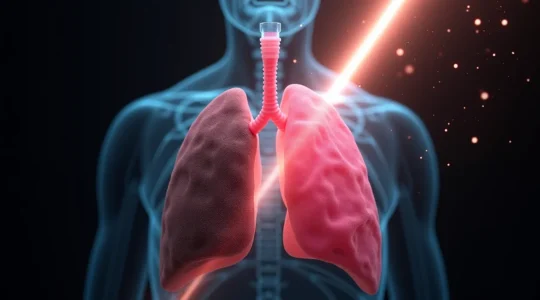
Can Lungs Fully Clear Tar After 20 Years of Smoking? A Scientific Look at Recovery
Quitting smoking isn’t about ‘scrubbing’ your lungs; it’s about activating your body’s powerful, built-in repair systems. The “smoker’s cough” is a productive sign of healing as your cilia (the lungs’ cleaning crew) regrow and clear debris. Specific nutrients and therapies…
Read more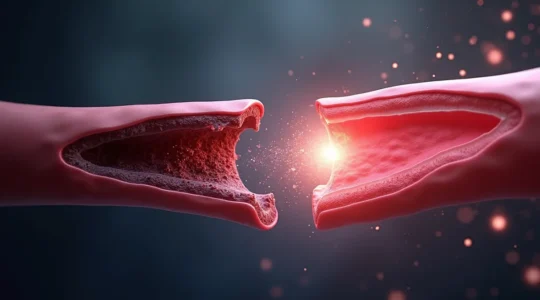
Your Heart Attack Risk Timeline After 50: What Happens the Moment You Quit Smoking
Contrary to popular belief, the greatest heart danger from smoking isn’t a long-term risk; it’s the immediate, violent reaction in your blood that happens within minutes of every cigarette. Just 4-6 cigarettes a day still nearly doubles your mortality risk…
Read more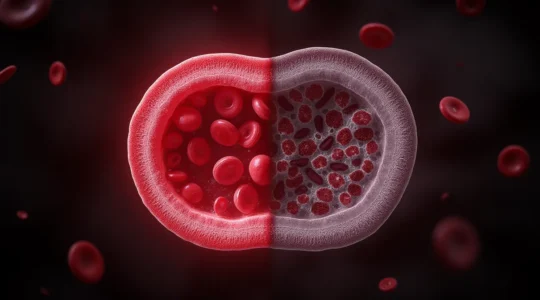
How Fast Does Carbon Monoxide Leave Your Bloodstream After the Last Cigarette?
The persistent fatigue felt by smokers isn’t just about sleep; it’s a symptom of an ongoing oxygen debt caused by carbon monoxide (CO) hijacking your red blood cells. While CO levels drop significantly within 12 hours of your last cigarette,…
Read more
How to Reset Your Brain’s Nicotine Receptors in 90 Days?
Contrary to the belief that quitting smoking is an endless battle of willpower, it’s a predictable, 90-day neurological recalibration process. The intense cravings and anxiety you feel aren’t a sign of weakness; they are the audible ‘screams’ of a brain…
Read more